


For a long time, when an image looked "off," I tried to fix it by adding more detail.
More sharpness, more texture, more resolution. It never worked - the images just looked like higher-resolution renders. The thing they were missing wasn't detail. It was the imperfections real glass leaves behind.
Optical effects are the fingerprints of a real camera. When your AI image has them, the viewer's brain files it under "photo." When it doesn't, something feels wrong - even if they can't name what.
These are the four optical effects I prompt to make an image read as captured, split into the two jobs they do: making a product look premium, and making a shot look human. With the exact keywords.
Let's leave some fingerprints.
Why Optical Effects Make the Brain Say "Photo"
A render is optically perfect - clean blur, even focus, no flare, no color fringing. That perfection is exactly the tell. Real cameras are flawed in specific, recognizable ways.
Lens Fingerprints: The optical imperfections only real glass produces - rounded bokeh circles, focus that falls away, flare when light hits the lens, faint color fringing at edges. The viewer's brain reads their presence as proof a physical camera was there. Add them and the image passes as a photo; leave them out and it reads as generated.
And they split cleanly into two jobs. Two fingerprints make a product look expensive. Two make a shot look real. You pick the lane the ad needs.
The 4 Fingerprints
| Effect | Lane | Signals | Use for |
|---|---|---|---|
| Natural bokeh | Premium | Expensive, cinematic | product close-ups, beauty, food |
| Shallow depth of field | Premium | Three-dimensional, hero | luxury goods, hero product shots |
| Lens flare | Human | Captured, warm, real | golden-hour lifestyle, outdoor |
| Chromatic aberration | Human | Raw, phone-filmed | UGC, testimonial, problem/solution |
Natural bokeh
Lane
PremiumSignals
Expensive, cinematicUse for
product close-ups, beauty, foodShallow depth of field
Lane
PremiumSignals
Three-dimensional, heroUse for
luxury goods, hero product shotsLens flare
Lane
HumanSignals
Captured, warm, realUse for
golden-hour lifestyle, outdoorChromatic aberration
Lane
HumanSignals
Raw, phone-filmedUse for
UGC, testimonial, problem/solution
Premium Fingerprints
The two that make a product look like money.
1. Natural Bokeh
Bokeh is the quality of the blur - not just that the background is blurry, but how the blur looks. Real lenses turn background light sources into soft, rounded circles (bokeh balls). Flat AI blur looks digital; described bokeh looks cinematic.
Use for: product close-ups, beauty and skincare, food and beverage, spokesperson shots. Avoid when: you need the full environment to tell the story (UGC, problem/solution).
creamy bokeh background
soft bokeh balls from window light
smooth circular bokeh, fast prime lens
painterly background blur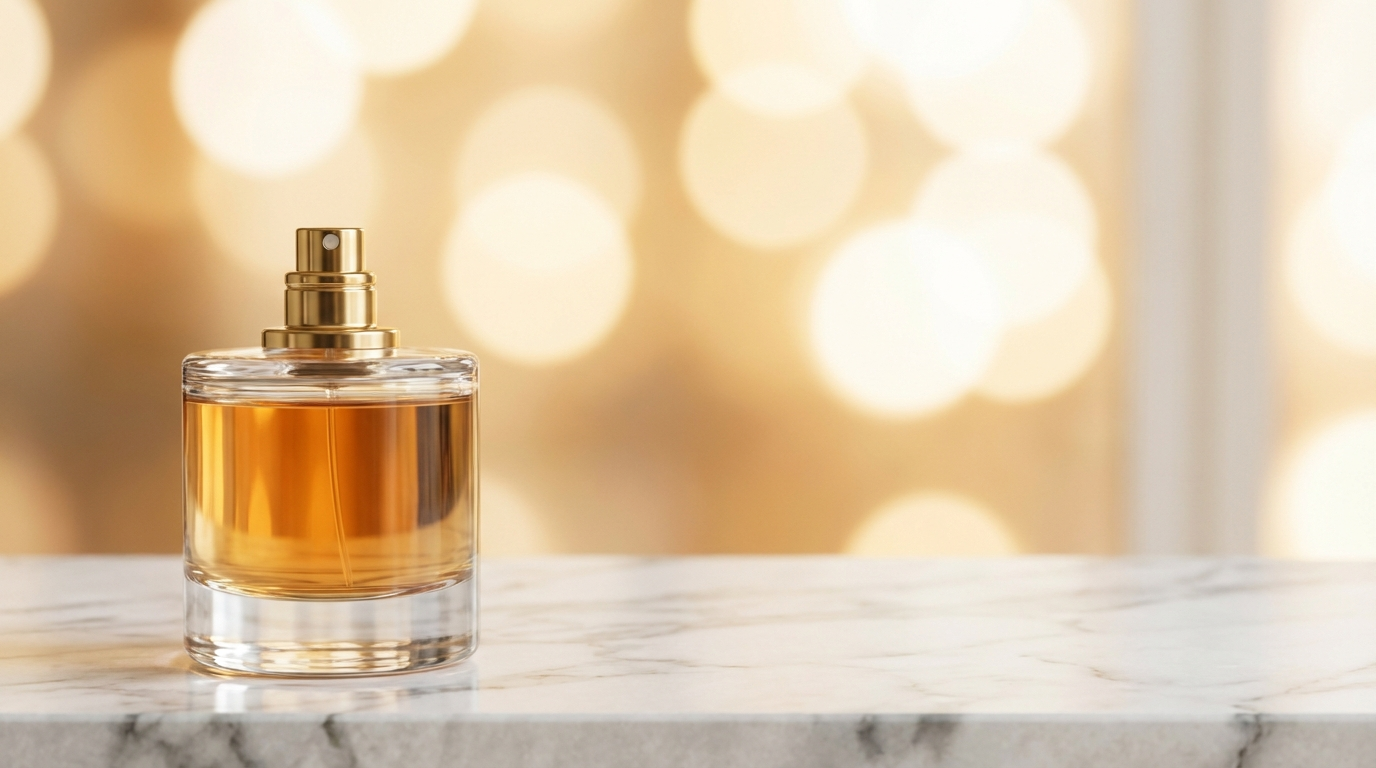
What you see: the background lights dissolve into soft glowing circles. The product sits in a real, warm space. The eye goes straight to it because everything else is gently melting away.
2. Shallow Depth of Field
The range of the image that stays sharp. A shallow depth of field keeps only a thin slice in focus - everything in front and behind falls away. It's the difference between a premium ad and a catalog shot.
Use for: hero product shots, beauty, luxury goods, any premium positioning. Avoid when: you're shooting a group, a room, or a scene where context matters.
razor-thin depth of field
subject in sharp focus, background fully dissolved
f/1.4 aperture, shallow focus plane
only the product is sharp, everything else falls away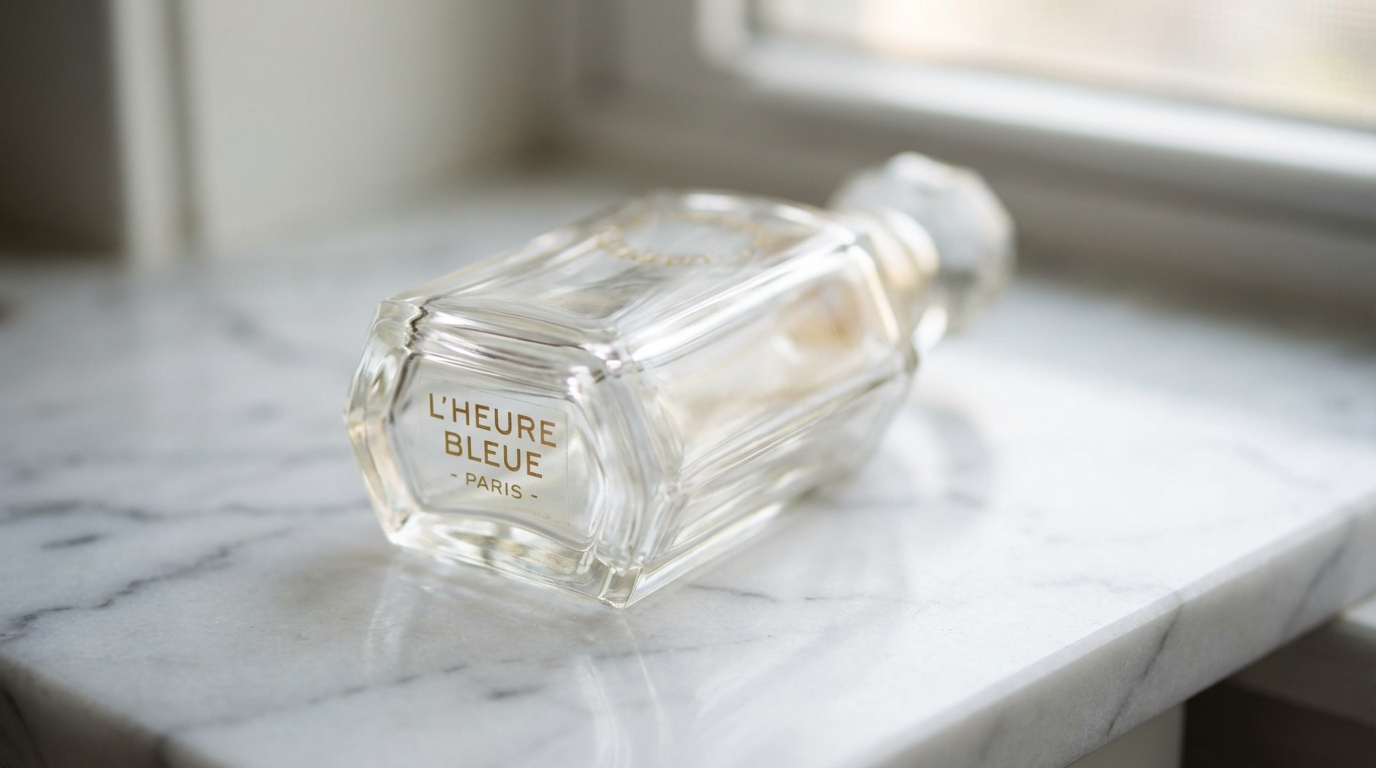
What you see: even the bottle has a focus gradient - the label sharp, the glass behind it already softening. That makes the product feel three-dimensional and expensive. It's the difference between a photo and a shot.
Note
Human Fingerprints
The two that make a shot look like a real person captured it.
3. Lens Flare & Light Aberration
Real glass bends light. When a source hits the lens at the right angle, you get a streak or halo - a subtle signal that says "captured, not created." Used sparingly, it adds warmth and authenticity.
Use for: golden-hour lifestyle, outdoor ads, aspirational and emotional creative. Avoid when: running clinical or medical-adjacent ads where cleanliness signals trust.
subtle lens flare from backlight
golden hour lens flare, warm streak
anamorphic lens flare, horizontal streak
light aberration on edges, real glass feel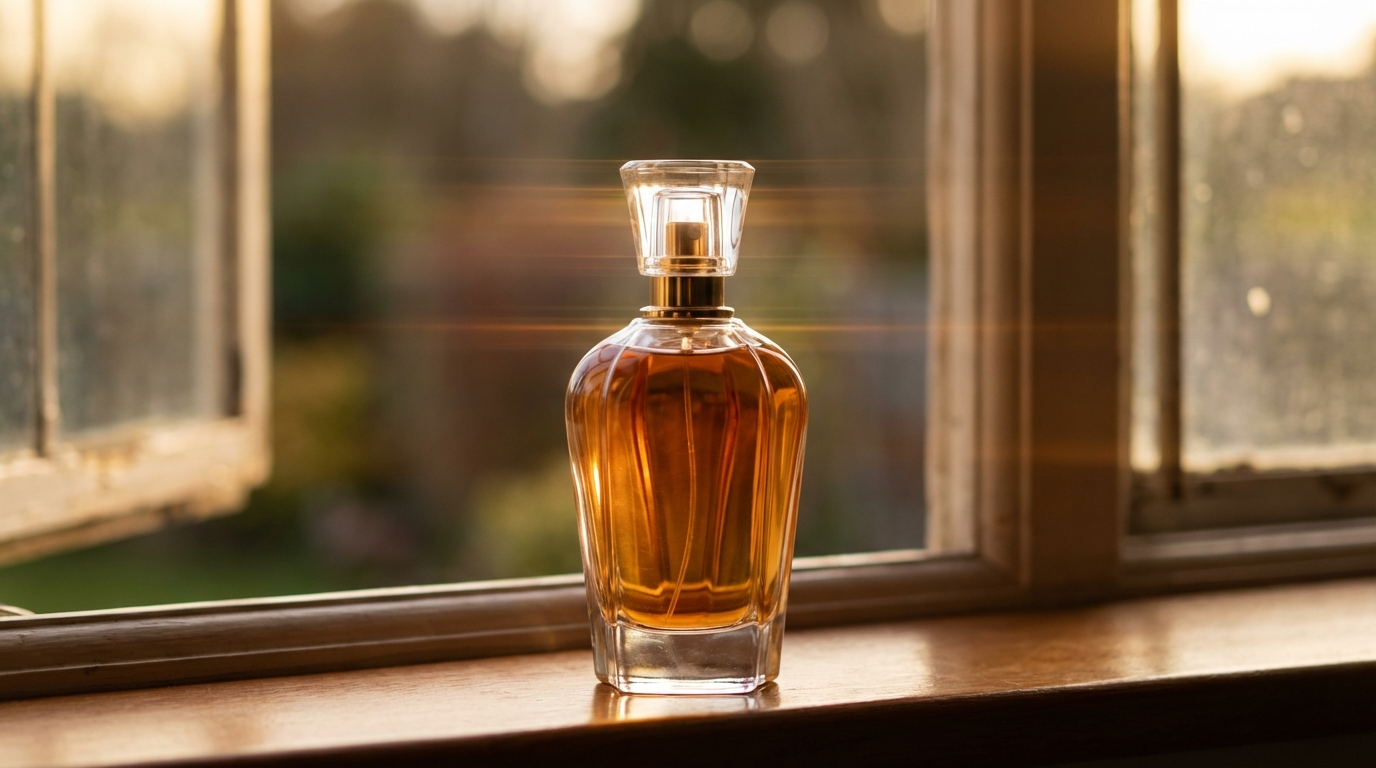
What you see: a warm streak across the frame that makes the shot feel like a high-end commercial. The key is sparingly - one subtle flare reads as editorial, three reads as a Windows screensaver.
4. Chromatic Aberration
A very slight color fringing on high-contrast edges - a faint red/cyan split at the borders of objects. It's a natural lens imperfection, and in small doses it adds rawness to UGC.
Use for: UGC hooks, "real person" testimonial style, problem/solution ads. Avoid when: running polished brand-level creative - at scale it can read as low quality.
slight chromatic aberration
subtle color fringing on edges
raw lens imperfection, film aesthetic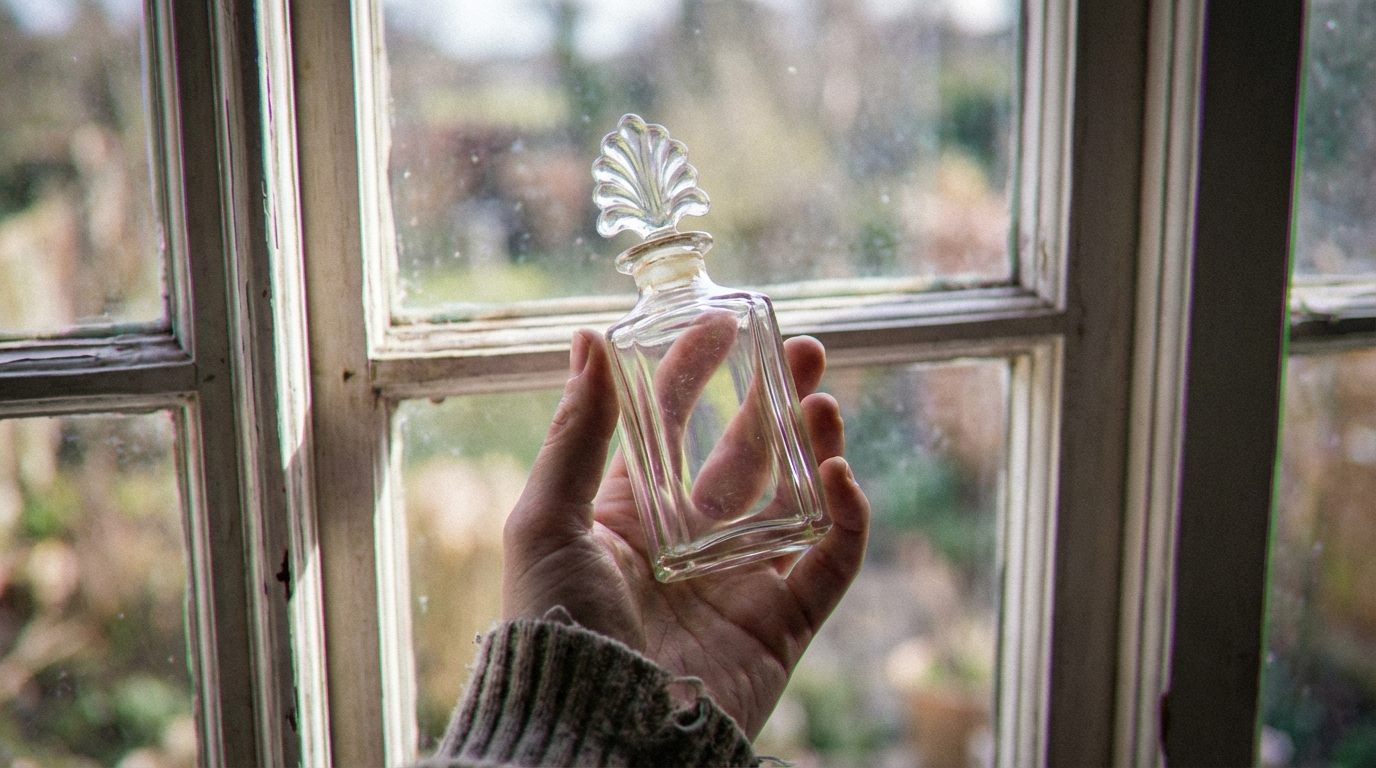
What you see: the same shot as the flare version, but it feels like a real person filmed it on their phone. This is the optical cousin of the imperfection signals in realistic AI skin - a flaw that reads as authenticity.
Pick Your Lane: Two Optical Stacks
You don't stack all four - premium and human pull in opposite directions. You pick the lane and stack within it.
Premium hero stack (bokeh + shallow DOF + a whisper of flare):
...product in razor-thin sharp focus, creamy circular bokeh from background
lights, subtle warm lens flare from backlight, 85mm lens, unretouched
premium product photography
UGC human stack (aberration + rawness, no bokeh):
...full environment in frame, slight chromatic aberration on edges, raw lens
imperfection, handheld phone feel, 35mm lens, unretouched candid photography
Same product. One looks like a fragrance campaign; the other looks like your customer filmed it. That choice is the whole decision.
Conclusion: Perfect Optics Are the Tell
Three to lock in:
1. The imperfections are the realism. Real glass makes bokeh, flare, and fringing. Their absence is what flags a render - adding detail won't fix it, adding fingerprints will.
2. Bokeh and shallow DOF sell premium. They isolate the product and make it three-dimensional and expensive. The luxury lane.
3. Flare and aberration sell human. They say "a real person captured this on real glass." The UGC lane. Never mix the two lanes in one ad.
The rule of thumb that anchors it: Bokeh = Premium. Aberration = Human.
So the move: take a flat product shot and run it twice - once with the premium stack, once with the UGC stack. Same bottle, same light. My bet is you'll suddenly have two completely different ads for two completely different audiences, from one base image - because the optics were doing the positioning all along.
Steal my ad concept & hook library
Every prompt, archetype, and hook I use in my own accounts. Updated weekly.
Join the free Skool community