
For years I picked camera angles based on what looked cool in the render.
Turns out I was asking the wrong question the whole time.
The AI camera isn't the photographer's eye - it's your customer's eye. And where you place it decides something no headline can: whether your customer feels like they're looking up at a luxury they aspire to, looking down at something manageable, or already holding the product in their own hands.
The angle sets their status in the scene before they read a word.
These are the 13 angles I prompt, grouped by the job they do, plus the exact keywords. Get this right and one product shot can feel like a $200 hero or a $9 everyday buy - same product, different angle.
Let's decide where your customer stands.
Why the Angle Sets Your Customer's Status
Low angles make the subject tower over the viewer - powerful, heroic, premium. High angles look down and make it small, approachable, manageable. POV removes the model entirely and hands the product to the viewer.
The Customer Camera: The AI camera is your customer's point of view. Every angle you choose assigns them a status and a role - looking up at the product means they aspire to it, looking down means they control it, and a POV shot means they already own it. Before you prompt, ask: where do I want my customer standing in this scene?
That one question replaces "what looks good?" with "what do I want them to feel?" - which is the only question that moves conversion.
The 13 Angles at a Glance
| Angle | Best for | Customer status |
|---|---|---|
| Eye-Level | UGC, general trust | Equal, relatable |
| Low-Angle (Hero) | high-ticket, fitness | Looking up — aspires |
| High-Angle (Bird's Eye) | problem/solution | Looking down — in control |
| POV | e-commerce, demos | Already owns it |
| Arm's Length Selfie | UGC, social | A friend recommending |
| Mirror Selfie | apparel, fitness | Seeing a real body |
| Over-the-Shoulder | software, apps | Watching it work |
| Flat Lay (Top-Down) | aesthetic, design | Admiring the set |
| Side Profile (90°) | product design | Judging the silhouette |
| Dutch Angle | sales, high-energy | Caught in motion |
| Macro Angle | texture, quality | Inspecting up close |
| Ground Level | lifestyle, cinematic | Immersed, epic |
| Wide Establishing | travel, freedom | Small in a big world |
Eye-Level
Best for
UGC, general trustCustomer status
Equal, relatableLow-Angle (Hero)
Best for
high-ticket, fitnessCustomer status
Looking up — aspiresHigh-Angle (Bird's Eye)
Best for
problem/solutionCustomer status
Looking down — in controlPOV
Best for
e-commerce, demosCustomer status
Already owns itArm's Length Selfie
Best for
UGC, socialCustomer status
A friend recommendingMirror Selfie
Best for
apparel, fitnessCustomer status
Seeing a real bodyOver-the-Shoulder
Best for
software, appsCustomer status
Watching it workFlat Lay (Top-Down)
Best for
aesthetic, designCustomer status
Admiring the setSide Profile (90°)
Best for
product designCustomer status
Judging the silhouetteDutch Angle
Best for
sales, high-energyCustomer status
Caught in motionMacro Angle
Best for
texture, qualityCustomer status
Inspecting up closeGround Level
Best for
lifestyle, cinematicCustomer status
Immersed, epicWide Establishing
Best for
travel, freedomCustomer status
Small in a big world
The Standard Set
Your everyday workhorses - the angles you'll reach for most.
1. Eye-Level
Neutral, relatable, safe. The camera meets the subject as an equal. Your trust default.
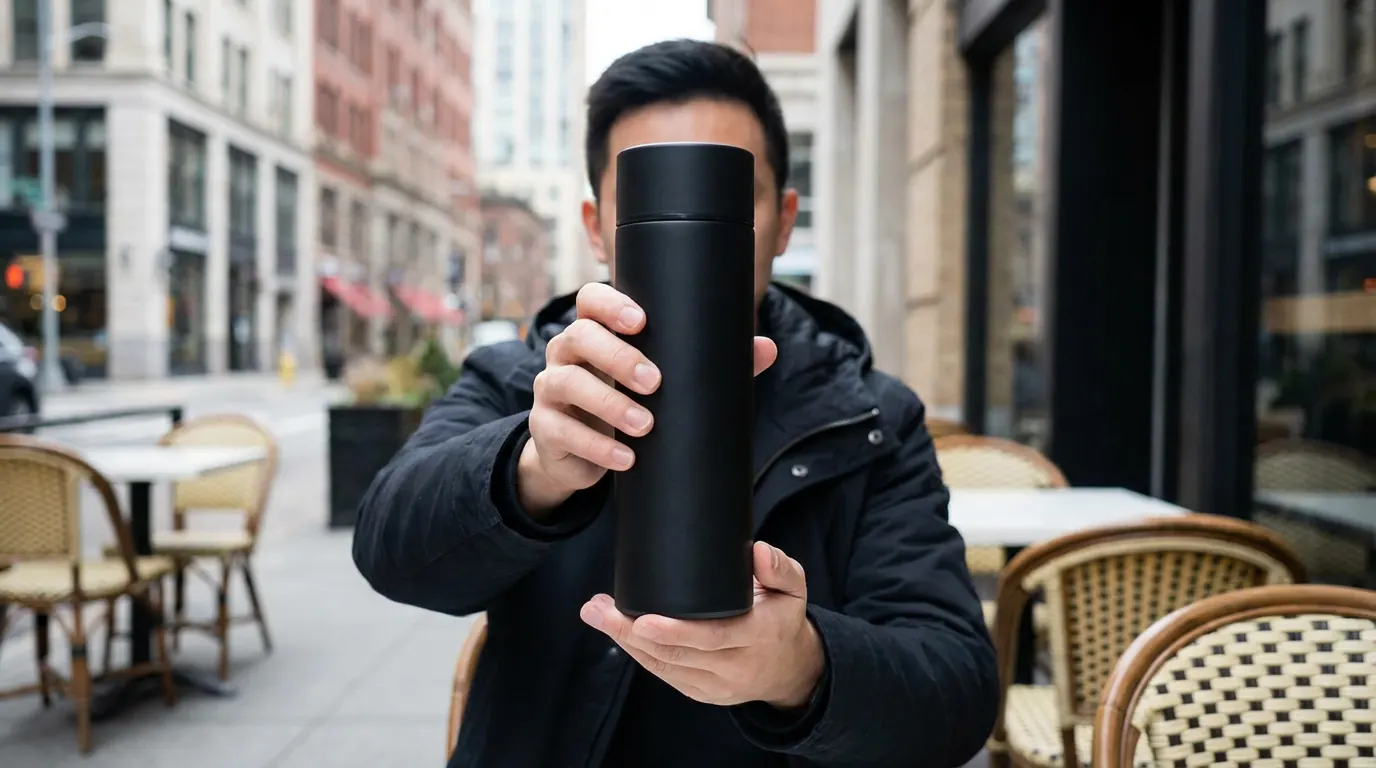
2. Low-Angle (Hero's Eye)
The camera looks up, and the product looks massive, heroic, premium. This is the high-ticket and fitness angle.
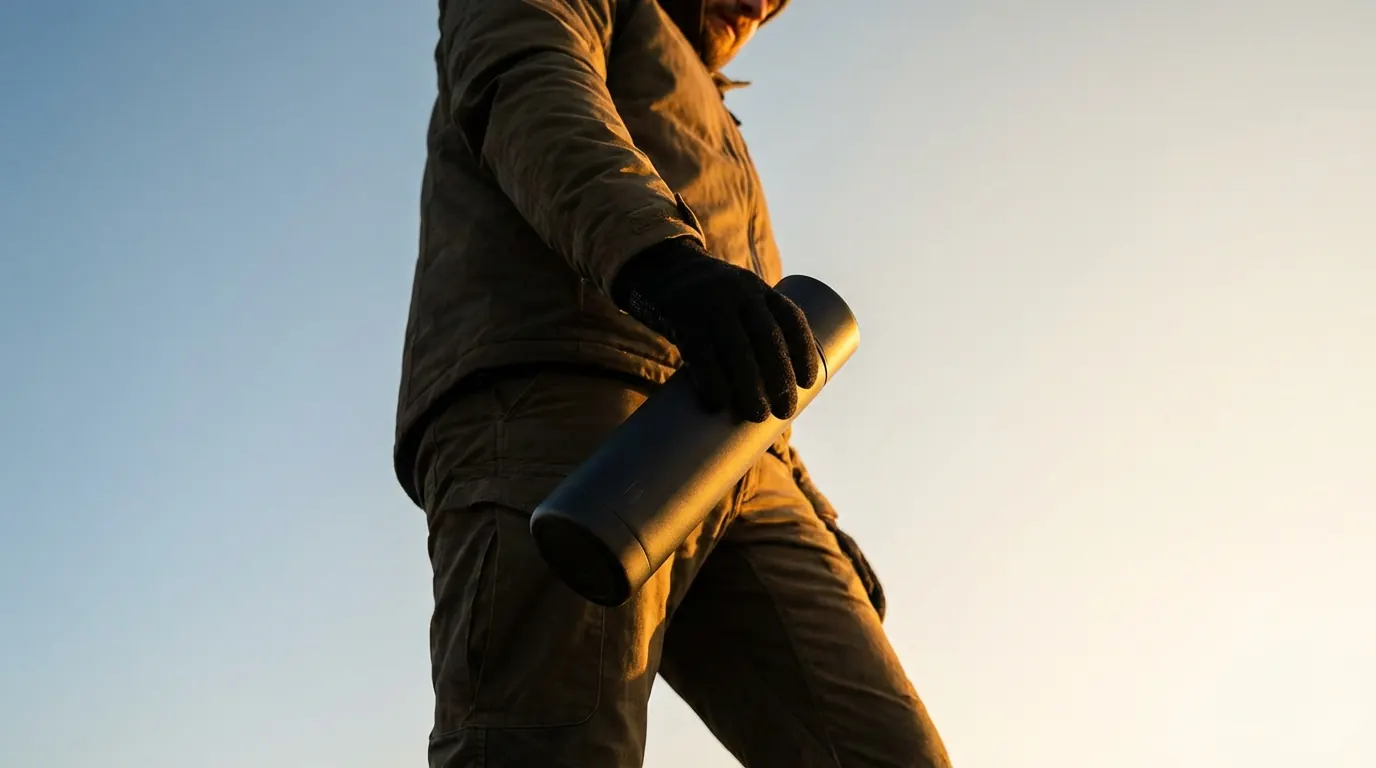
3. High-Angle (Bird's Eye)
The camera looks down, making the product small, manageable, or part of a larger system. Perfect for problem/solution hooks where the product is the tidy answer.
eye-level shot, neutral straight-on angle
low-angle hero shot, camera looking up, powerful and premium
high-angle bird's eye view, camera looking down, product looks manageable
The UGC / Social Set
Angles that strip the "ad" feeling out and hand the product to the viewer. These pair naturally with the gesture work.
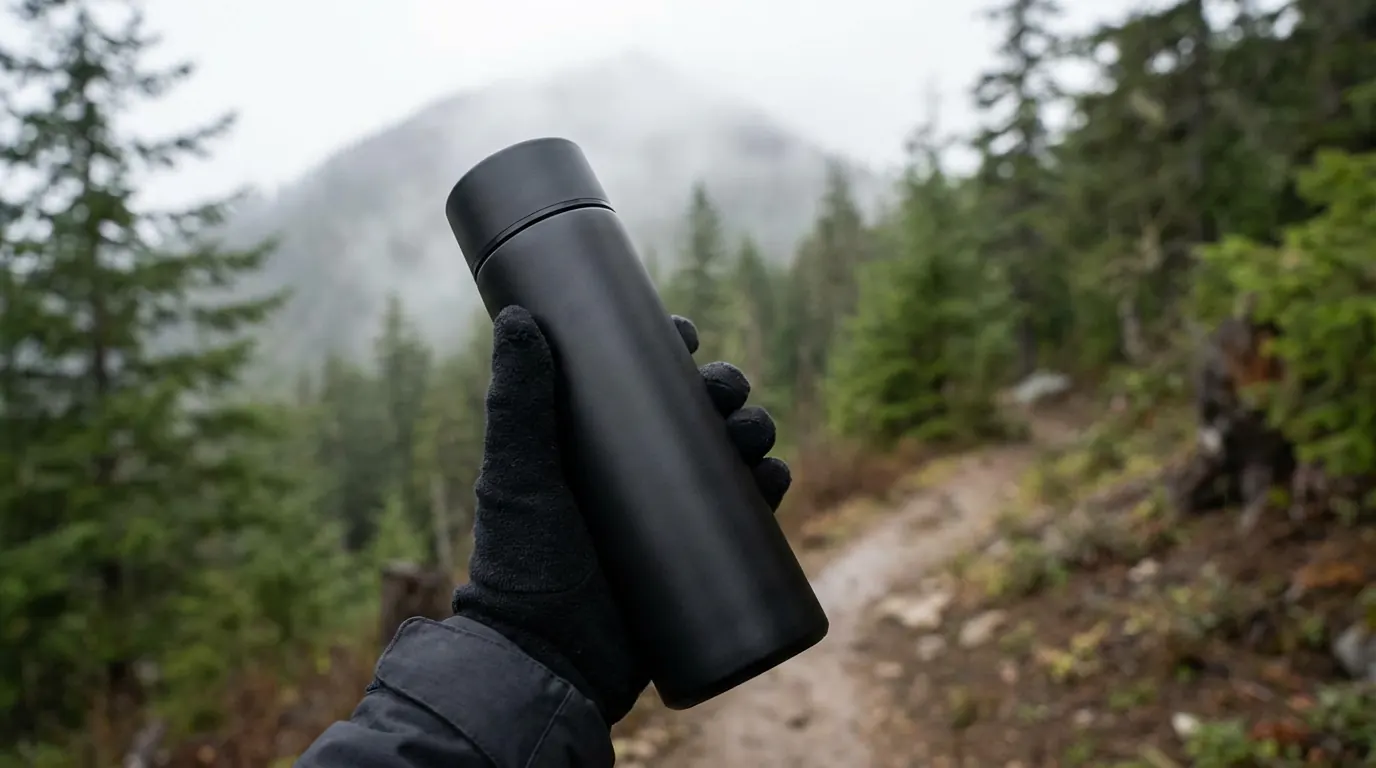
4. POV (Point of View)
The customer's own eyes. You see hands - the viewer's hands - interacting with the product. The highest-converting angle in e-commerce because it triggers the "I already own this" feeling.
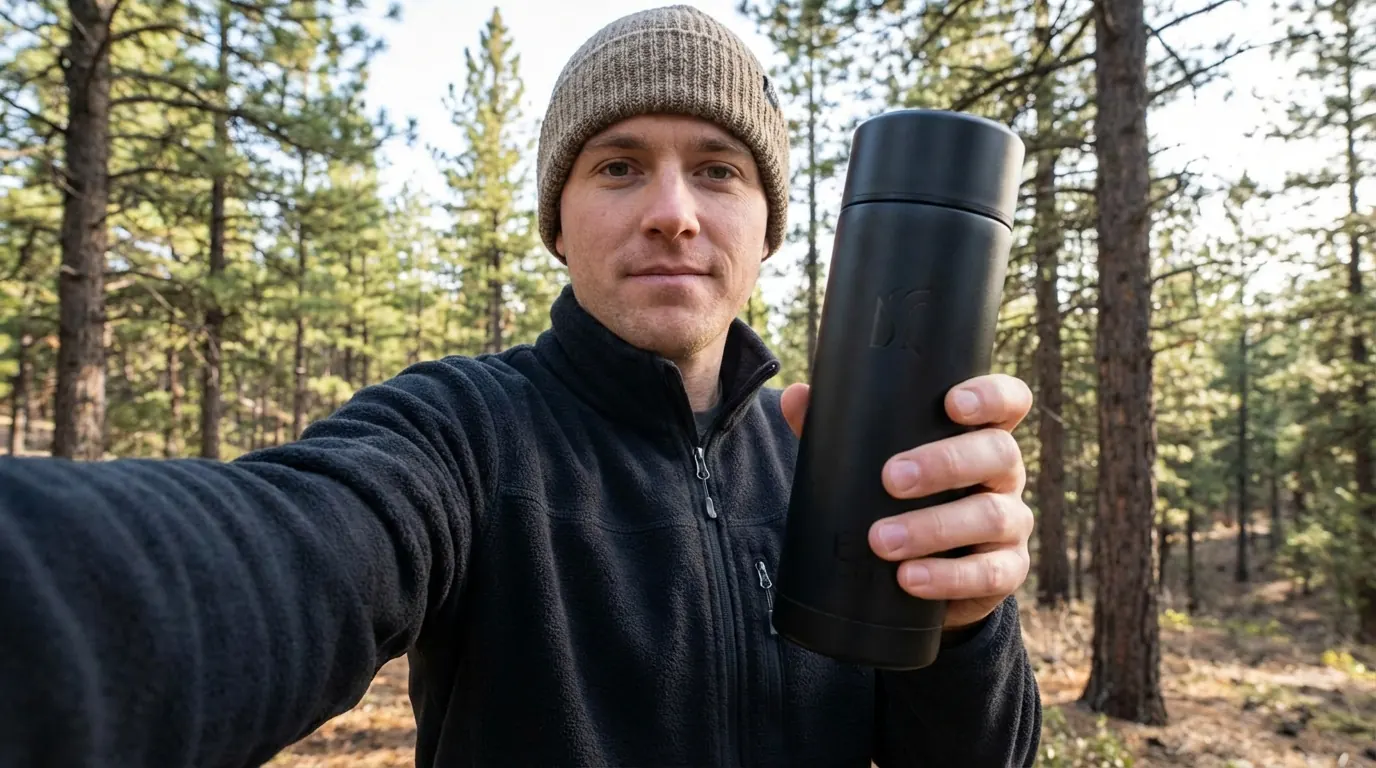
5. Arm's Length Selfie
High trust, low ad-vibe. A slightly distorted, handheld "Story" look that reads as a friend, not a brand.
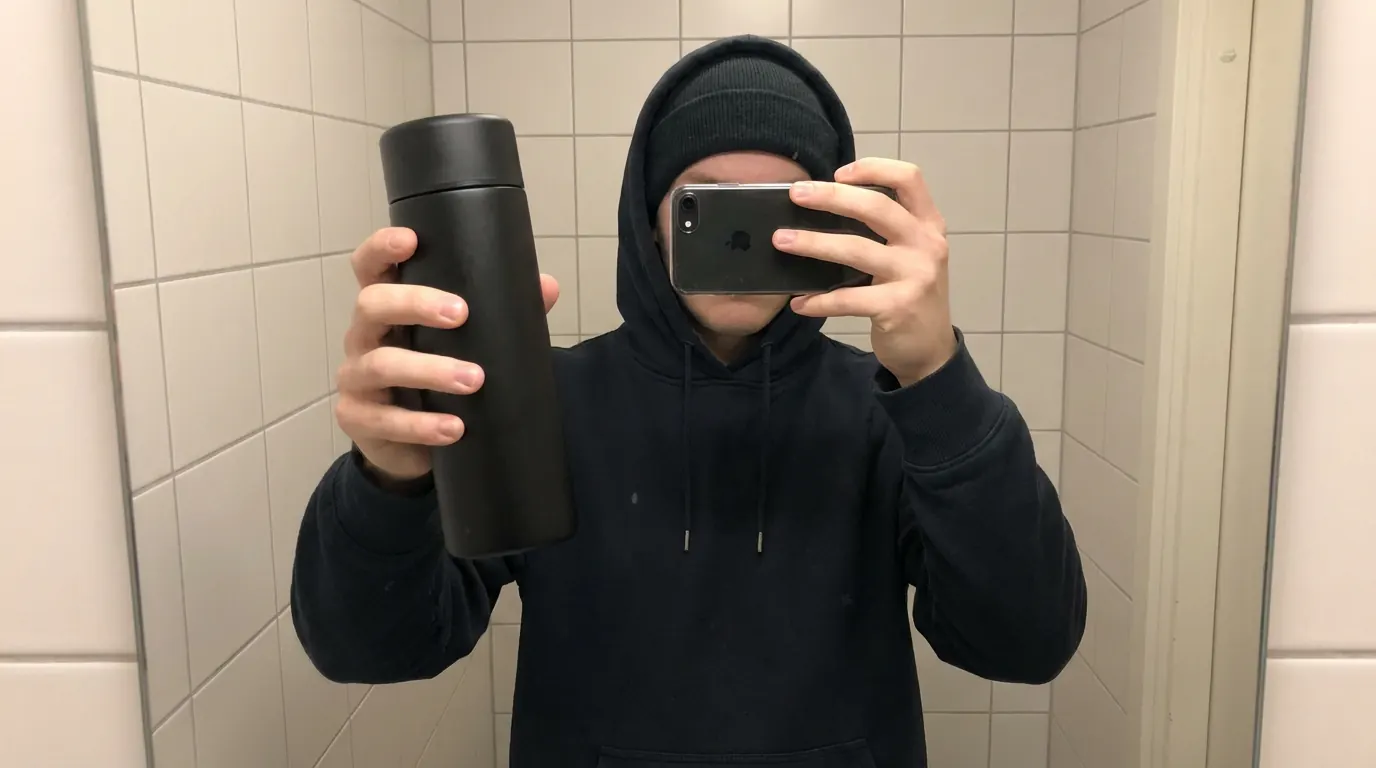
6. Mirror Selfie
A casual lifestyle check. Great for apparel and fitness because it shows a real body in a real room.
7. Over-the-Shoulder
We watch someone use the product through the gap at their shoulder. Ideal for software and apps where the screen is the story.
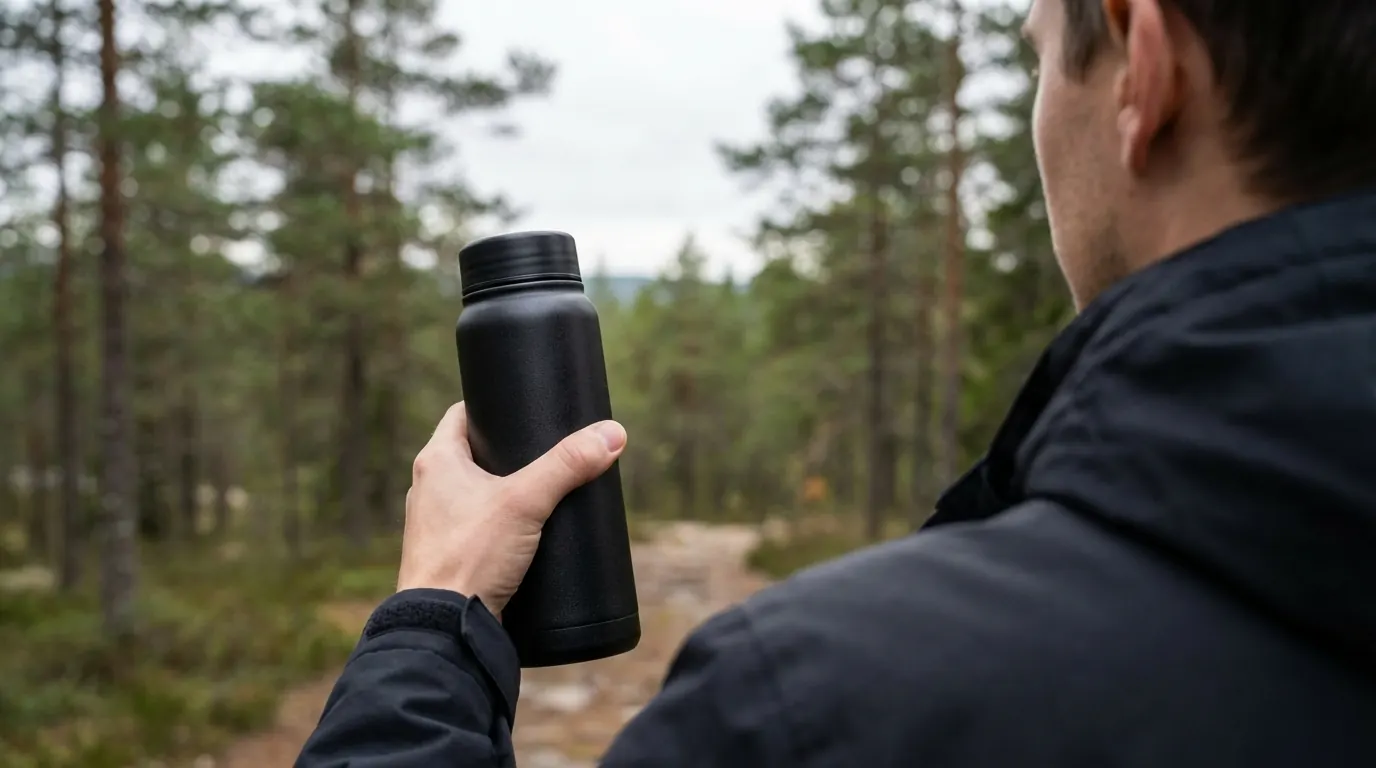
POV shot, first person, viewer's own hands holding product
arm's length selfie, handheld authentic story-style photo
mirror selfie, casual phone photo in a real room
over-the-shoulder shot, watching the subject use the product
Pro Tip
The Aesthetic / Design Set
Angles built to show off the product itself - its arrangement, silhouette, and surface.
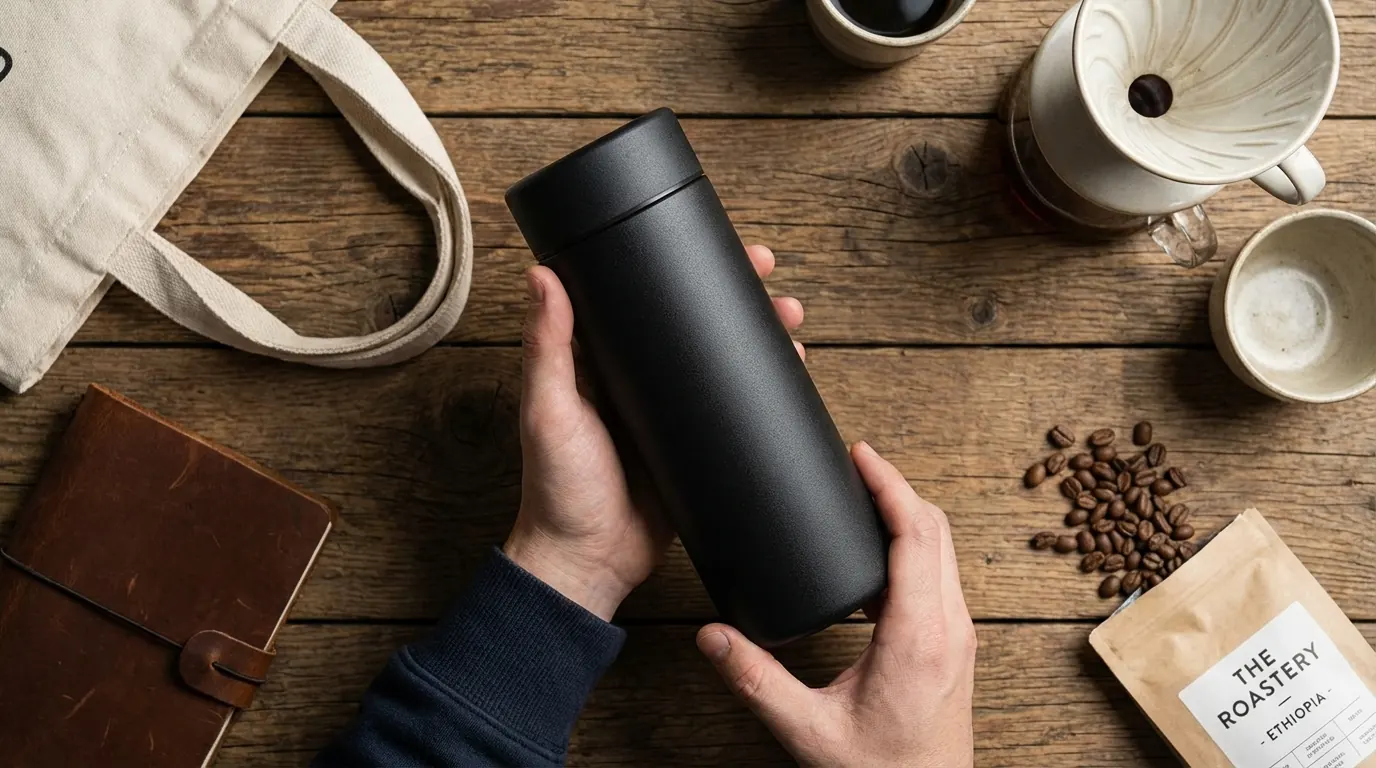
8. Flat Lay (Top-Down)
A 90-degree drop. Very Instagrammable, very clean. The product and props arranged in an aesthetic grid.
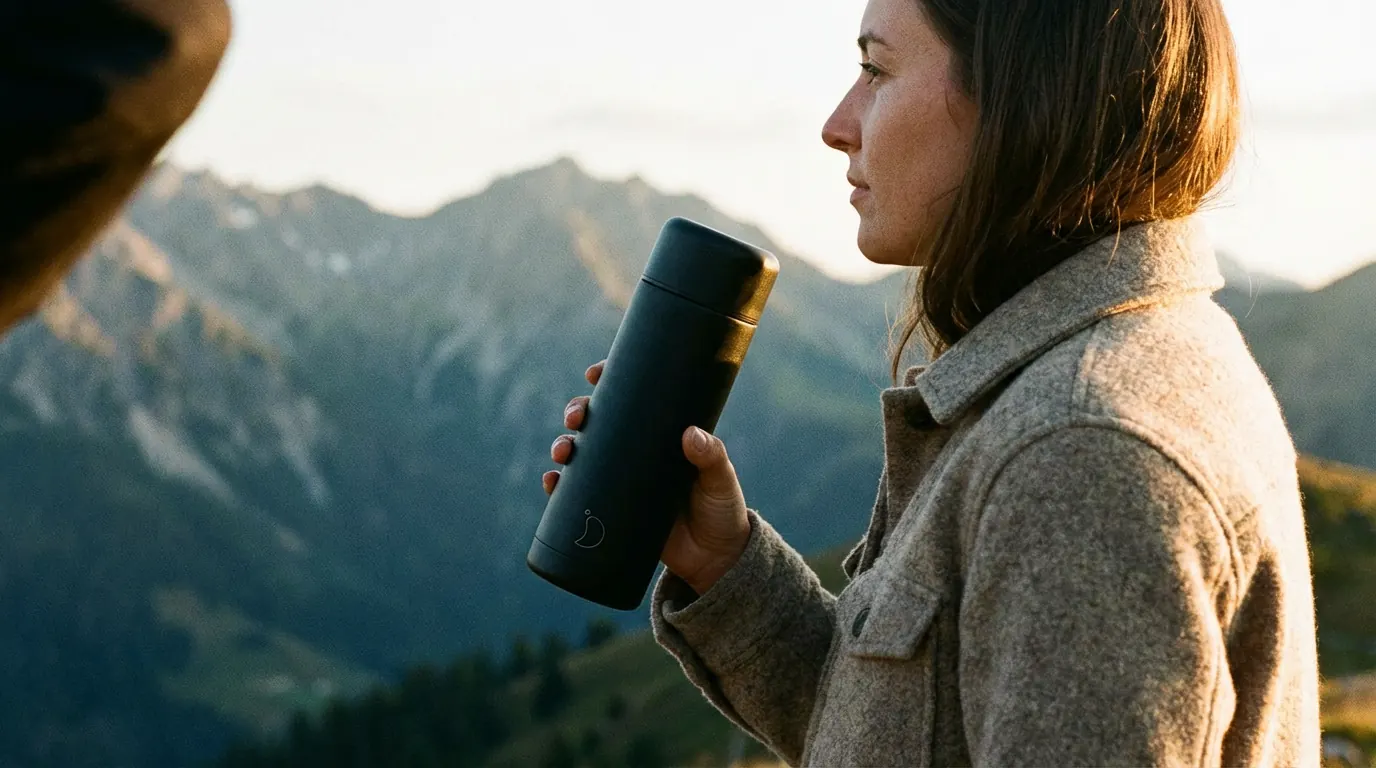
9. Side Profile (90°)
Focuses on the silhouette and design language of a product. When the shape is the selling point.
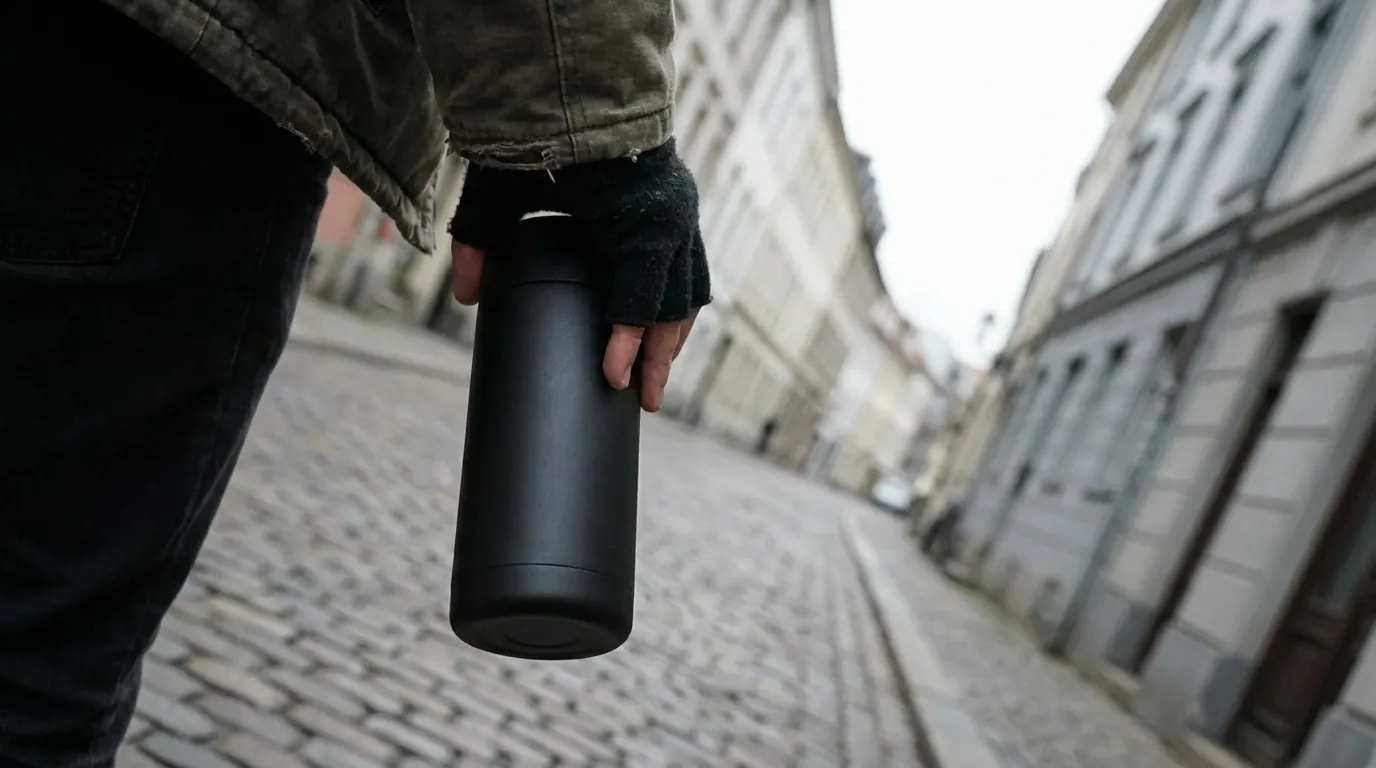
10. Dutch Angle
A tilted horizon that injects action, disruption, or urgency. Use it for limited-time sales and high-energy sport.
11. Macro Angle
Extremely low and close, like an ant looking up. Shows texture and manufacturing quality - the pore-level detail from the skin and fabric work.
flat lay top-down, 90-degree overhead, aesthetic grid arrangement
side profile shot, 90-degree, product silhouette
dutch angle, tilted horizon, dynamic energy
macro angle, extreme low close-up, surface texture visible
The Cinematic Set
Angles that make a lifestyle shot feel like a film frame.
12. Ground Level
The camera sits on the floor, giving lifestyle shots an epic, cinematic weight.
13. Wide Establishing
The person or product is a small figure in a big, beautiful landscape. The "freedom" and "travel" angle.

ground level shot, camera on the floor, cinematic epic feel
wide establishing shot, subject small in a vast landscape
One Product, Every Angle
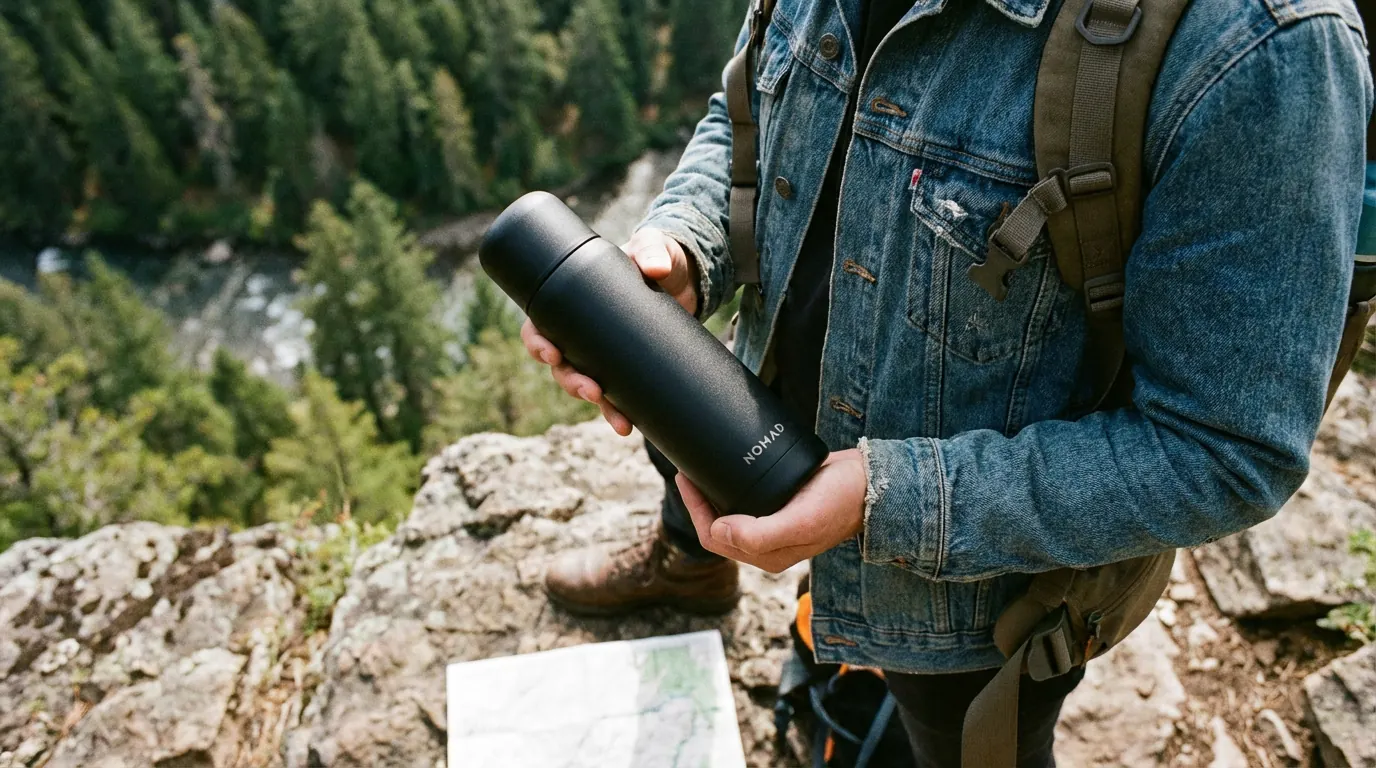
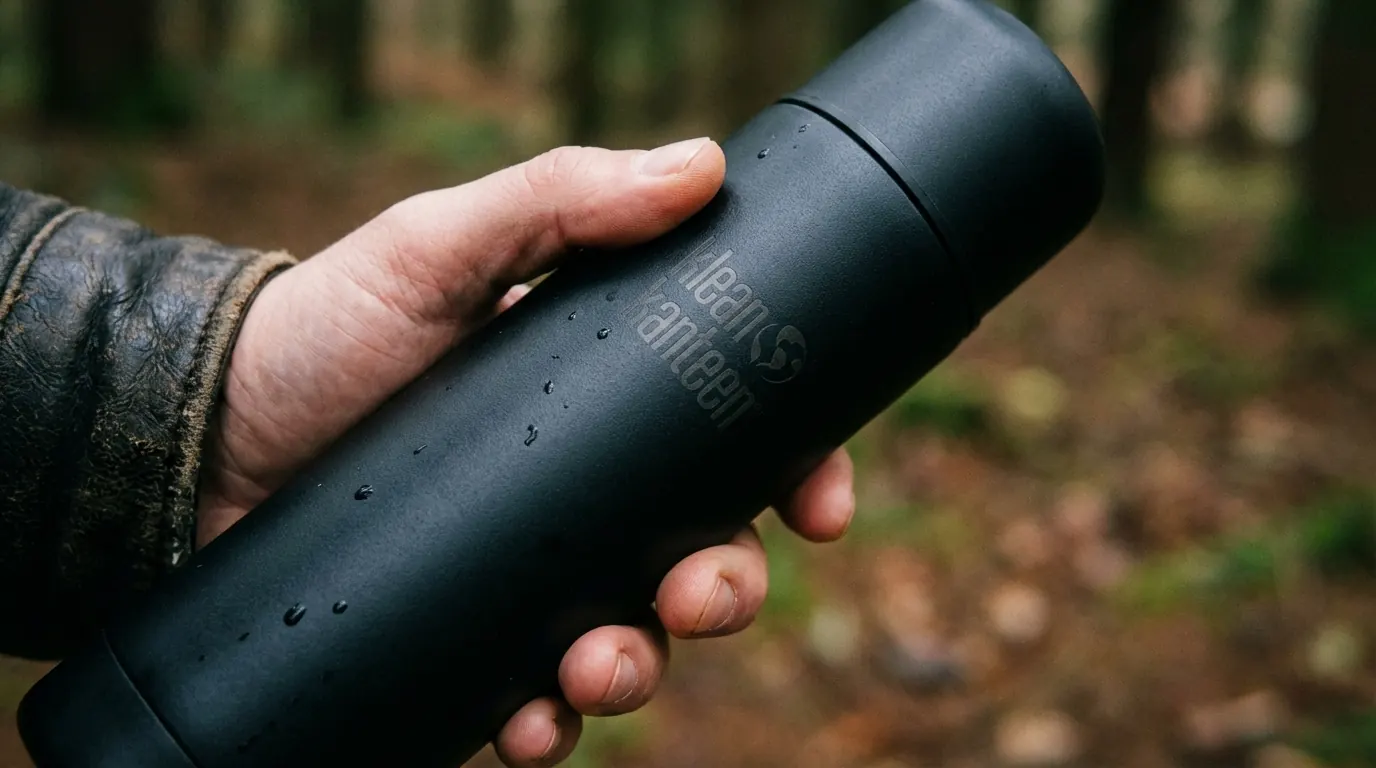
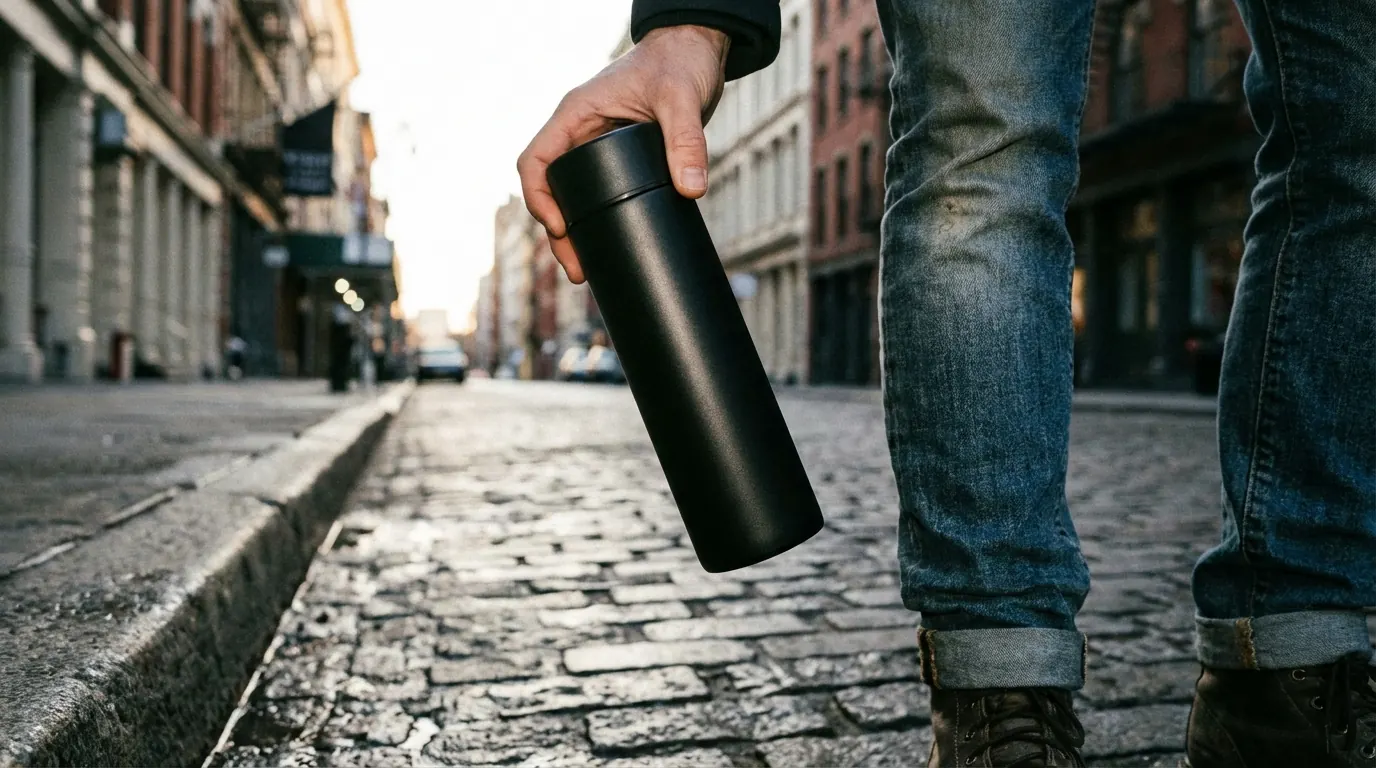
Here's the whole lesson in one demo. Same base subject - a person holding a matte-black thermos - at the angles that change the read most. Nothing else changed.
Same thermos. Six completely different stories - and six different customer statuses. That's The Customer Camera doing the work.
Where the Angle Lives in Your Prompt
The angle sits early - it's part of the shot's foundation, alongside the focal length. Lens and angle are the two camera levers; set both. Both live in the Technical slot of the seven-slot prompt structure:
Low-angle hero shot of a matte-black thermos, camera looking up, 85mm lens,
shallow depth of field, dramatic side light, premium product photography
Conclusion: Point the Camera Where the Customer Should Stand
Four to lock in:
1. The camera is the customer's eyes. Every angle is a decision about where they stand and what status they hold. Never pick one for looks alone.
2. Low for aspiration, high for control. Want them to look up to a premium product? Camera low. Want it to feel manageable and approachable? Camera high.
3. POV is the ownership trigger. For e-commerce, putting the viewer's own hands on the product converts because it simulates already having it.
4. Match the set to the job. Standard for trust, UGC for authenticity, Aesthetic for design, Cinematic for scale.
The rule I keep taped up: before every prompt, ask - where do I want my customer standing in this scene?
So the move: take a product you're running at boring eye-level and regenerate it twice - once low-angle hero, once POV. Same product. My bet is the hero shot suddenly justifies a higher price and the POV shot lifts your add-to-carts - because you changed where the customer was standing.
Steal my ad concept & hook library
Every prompt, archetype, and hook I use in my own accounts. Updated weekly.
Join the free Skool community