Every AI image generator has one body it loves.
Tall. Symmetrical. Impossibly proportioned. A waist that nips, shoulders that taper, zero softness anywhere. And it shows up identical in every single ad you produce - same mannequin, different outfit.
Your customer doesn't look like that. And on some level, they can tell.
That's not a realism problem - it's a relevance problem. The moment the body in your ad matches the body of the person watching, the "this isn't for me" barrier drops and your creative starts converting the people it's actually for. Especially in clothing, wellness, and food brands.
These are the six body types I prompt to escape the default mannequin - and, more importantly, how to match each one to who's watching. With the exact keywords.
Let's diversify the body.
Why AI Bodies All Look the Same
The generator defaults to one idealized physique regardless of your target audience. Left unprompted, it gives everyone the same body.
The Mirror Match: An ad converts better when the body in it looks like the body of the person you're targeting. Match the physique to the audience and the viewer sees themselves - the "this isn't for me" barrier drops before they've read a word. AI defaults to one body; your customers come in all of them.
So the question for every body isn't "is this attractive?" It's "does this look like the person I'm selling to?" Each type below comes with the audience it mirrors.
The 6 Body Types (Matched to Who's Watching)
| Body type | Reads as | Mirror-match to |
|---|---|---|
| Athletic & toned | Trains consistently | fitness, activewear, sports nutrition |
| Average & relatable | “That could be me” | mass-market, FMCG, everyday brands |
| Curvy & full-figured | Real, present, represented | inclusive fashion, body-positive, plus-size |
| Slim & lithe | Editorial, high-fashion | luxury, jewellery, minimalist |
| Sturdy & rugged | Physical, lived-in | men's lifestyle, tools, 30+ male brands |
| Mature & age-appropriate | Their actual age | 45+ demographics, anti-ageing, insurance |
Athletic & toned
Reads as
Trains consistentlyMirror-match to
fitness, activewear, sports nutritionAverage & relatable
Reads as
“That could be me”Mirror-match to
mass-market, FMCG, everyday brandsCurvy & full-figured
Reads as
Real, present, representedMirror-match to
inclusive fashion, body-positive, plus-sizeSlim & lithe
Reads as
Editorial, high-fashionMirror-match to
luxury, jewellery, minimalistSturdy & rugged
Reads as
Physical, lived-inMirror-match to
men's lifestyle, tools, 30+ male brandsMature & age-appropriate
Reads as
Their actual ageMirror-match to
45+ demographics, anti-ageing, insurance
1. Athletic & Toned
Visible muscle definition, low body fat, shoulders with clear shape and arms with separation. Reads as someone who trains consistently - not a bodybuilder, not a fitness competitor, just a body that's the result of regular work.
Use for: fitness and activewear, sports nutrition, pre/post-workout supplements, performance gear. Avoid when: the product is about comfort or relatability - an athletic build can make an everyday product feel aspirational in the wrong direction.
athletic build, toned physique
lean musculature, well-defined shoulders
fit body type, active lifestyle physique
toned arms and shoulders, lean build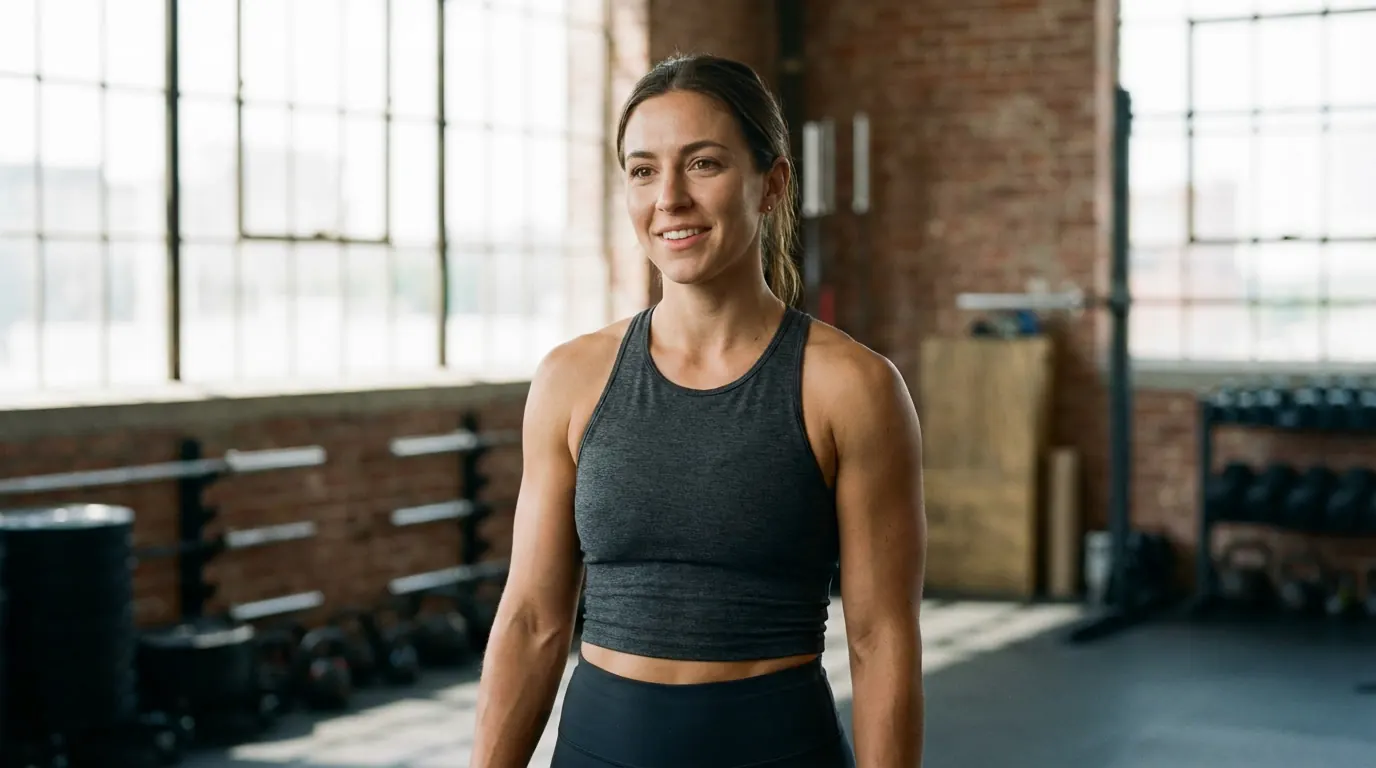
What you see: shoulders with a clear rounded shape, arms showing separation without being extreme. Someone for whom gym clothes are a default - not a model wearing them for a shoot.
2. Average & Relatable
The body type of most people - natural proportions, no extreme definition, a soft midsection, functional rather than sculpted. This is the body that makes the highest share of viewers think "that could be me."
Use for: everyday consumer products, FMCG, home and lifestyle, general-audience skincare, food and beverage. Avoid when: the product explicitly sells a fitness or transformation outcome where aspiration is the message.
average body type, natural proportions
soft midsection, un-sculpted physique
realistic silhouette, everyday body type
natural weight distribution, relatable figure
What you see: the waist doesn't nip sharply. The arms have natural softness. The body fills the clothing the way most bodies do. The eye doesn't register the physique as notable - which is exactly the point.
3. Curvy & Full-Figured
Fuller hips, bust, and thighs, with visible weight across the frame. Not a euphemism and not a token - a body type that represents a large share of real customers and is chronically absent from AI creative.
Use for: inclusive fashion and beauty, plus-size apparel, body-positive positioning, any brand speaking beyond a size 8. Avoid when: the specific category has a clinical or medical context where body type could be misread.
curvy figure, full-figured silhouette
plus-size body type, soft curves
fuller hips and bust, natural weight distribution
body-positive physique, inclusive figure
What you see: the hips read wider than the shoulders. The bust has natural weight and shape. The clothing responds to the curves underneath it. The body is present in the frame rather than minimized or hidden.
4. Slim & Lithe
A narrow, lean frame with little visible muscle - slender arms, narrow shoulders, an elongated, light silhouette. Distinct from athletic in that there's no definition, just a naturally slight build.
Use for: high-fashion editorial, luxury positioning, jewellery and accessories, minimalist lifestyle. Avoid when: the audience is general or diverse and a very slim frame could feel exclusionary, or any wellness context where it could be misread.
slender build, willowy frame
thin narrow shoulders, petite proportions
lean without muscle definition, slim silhouette
narrow frame, elongated proportions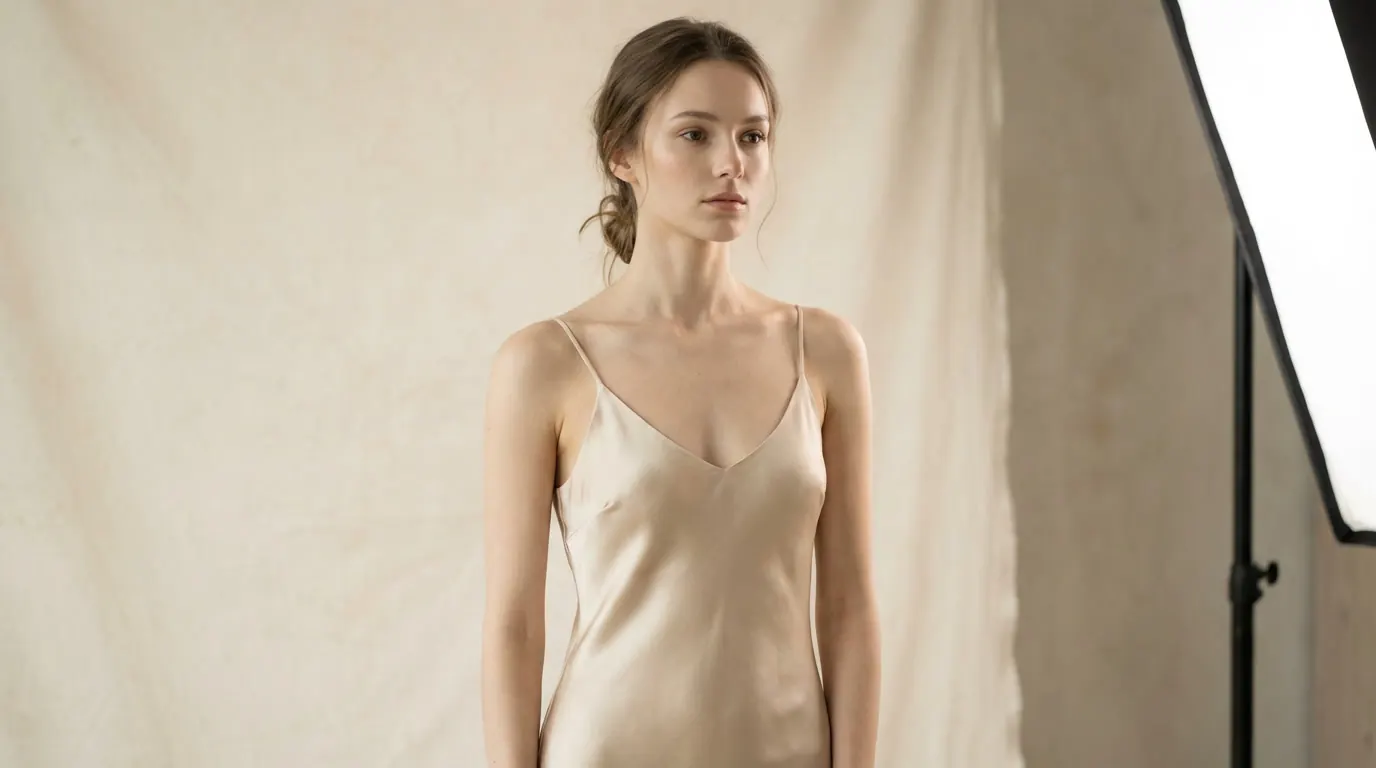
What you see: narrow shoulders, thin arms without visible muscle, an elongated silhouette. The clothing hangs from the frame rather than being filled by it - the specific visual language of high fashion.
5. Sturdy & Rugged
A broad, solid male frame - wide chest, thick neck, arms with mass rather than definition. A body that reads as physical labour or outdoor life, not gym training. The "dad bod" variant adds a soft midsection to the broad frame: a man past his athletic peak, fully comfortable in his own skin.
Use for: men's lifestyle, tools and outdoor gear, food and beverage for men 30+, insurance, fatherhood-adjacent, working-class positioning. Avoid when: the product targets a younger male fitness demographic where the athletic build fits better.
stocky build, broad-chested frame
dad bod, soft midsection, broad shoulders
rugged physique, solid working-class frame
sturdy male frame, wide chest and arms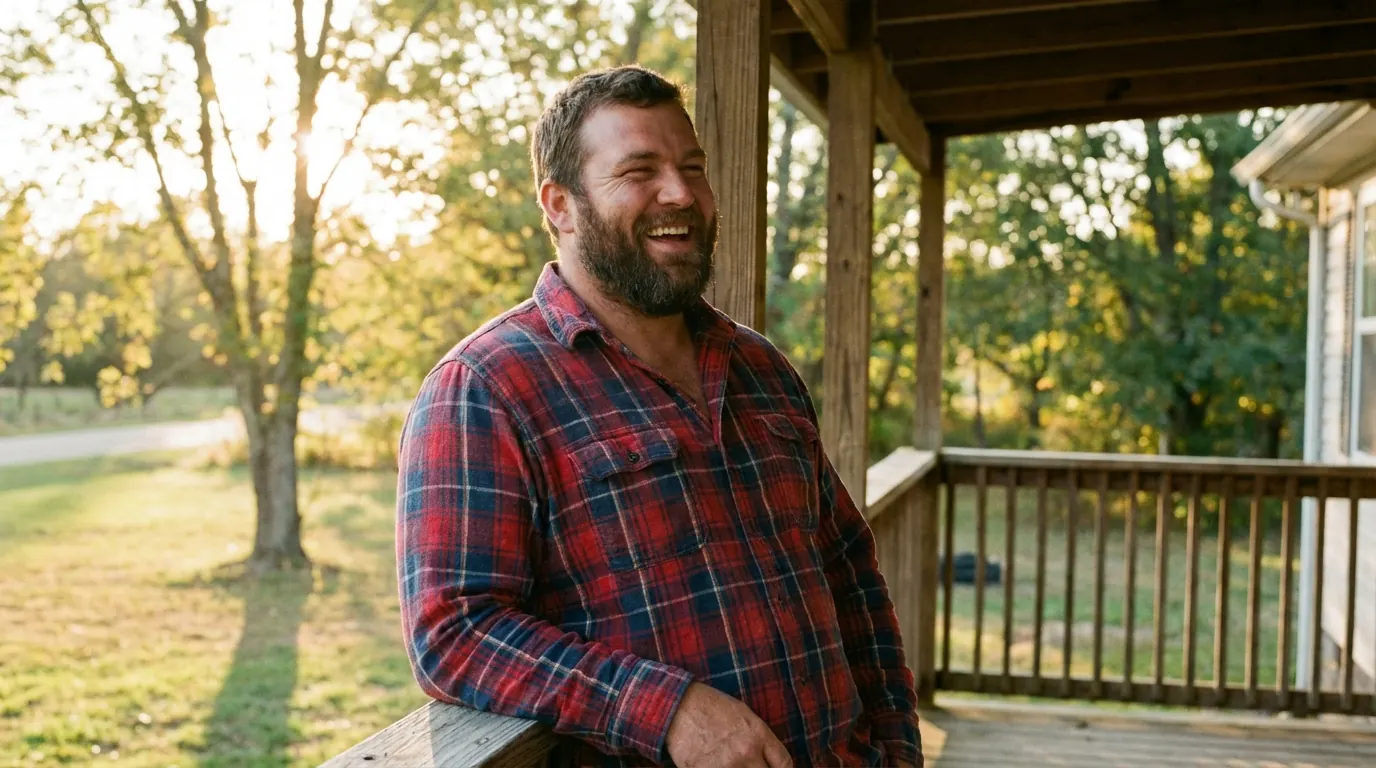
What you see: the shoulders fill the shirt completely. The chest is wide, the neck thick. A slight softness at the midsection reads as real and lived-in. The body of someone who's been physical his whole life - not someone who joined a gym last year.
6. Mature & Age-Appropriate
The natural changes of age - softer contours, less muscle tone, natural weight redistribution. AI defaults to young bodies regardless of the face's age, creating a disconnect viewers catch instantly.
Use for: 45+ demographics, anti-ageing skincare, health supplements, financial and insurance, any brand speaking to mature audiences. Avoid when: the product and demographic are explicitly younger.
mature body type, age-appropriate proportions
natural age-related softening, realistic mature physique
body of a woman in her 50s, natural weight distribution
realistic older body, natural contour changes with age
What you see: natural softness without muscle tone, a less-defined waist, a rounder settled silhouette. Crucially, the body matches the face - which sounds obvious but almost never happens in AI output without prompting.
Pro Tip
The Full Physique Realism Stack
Loaded into the Subject slot of the seven-slot prompt structure, with the clothing responding to the body:
Lifestyle portrait of a woman in her early 40s with a curvy full-figured
physique, soft natural weight distribution, fuller hips and soft midsection,
age-appropriate proportions, wearing a casual cotton wrap dress with natural
fabric folds responding to her curves, flyaway hair, warm natural window
light, 50mm lens, unretouched inclusive lifestyle photography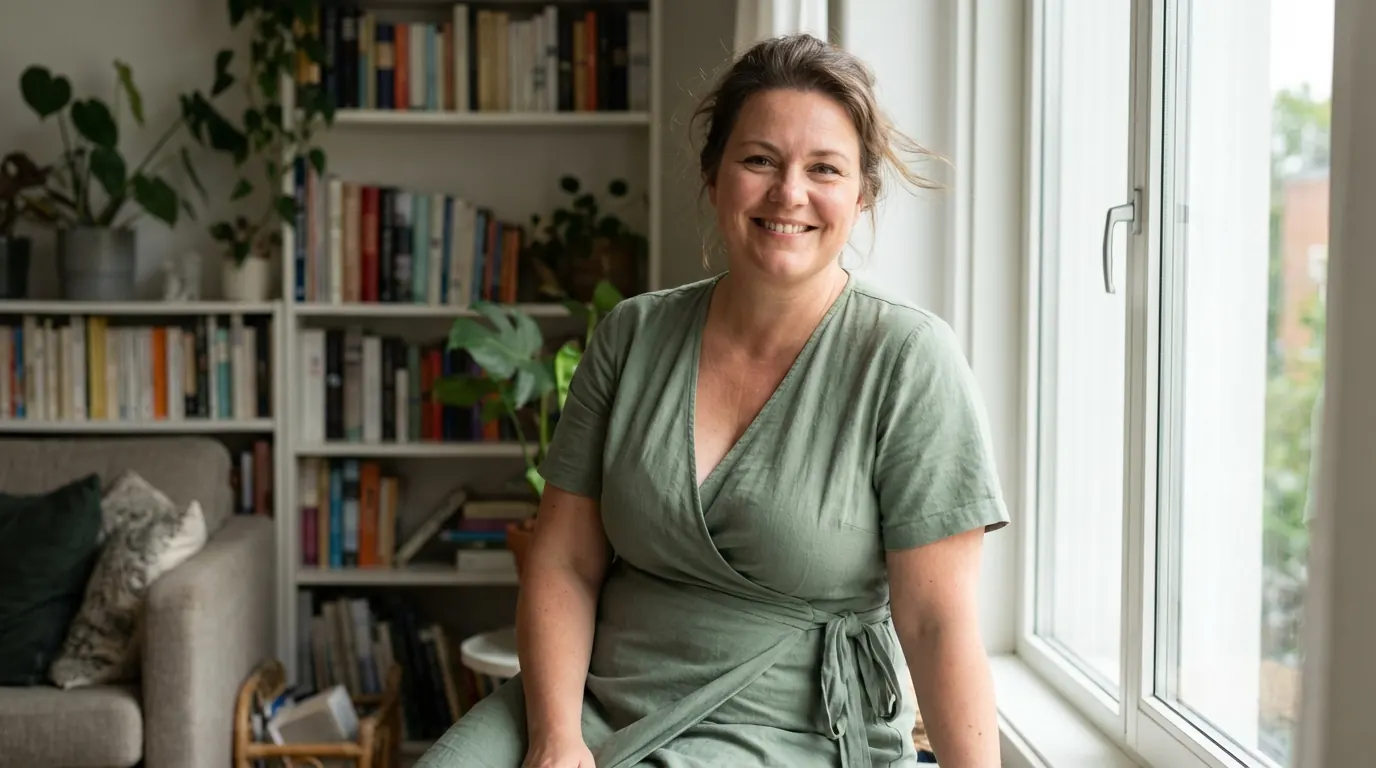
Notice the body and the fabric working together - this is where the realistic AI clothing details pay off, because clothing only drapes believably when there's a real body shape underneath it. Same goes for realistic AI skin.
Conclusion: Sell to the Body That's Watching
Four to lock in:
1. The default mannequin is costing you relevance. One idealized body in every ad quietly tells most of your audience "not for you." The Mirror Match fixes that.
2. Pick the body by the audience, not by looks. The question is never "is this attractive?" - it's "does this look like my customer?"
3. Match the body to the face. AI's most common physique error is a young body on an older face. Prompt both, or neither reads as real.
4. Body and fabric work as a pair. Clothing only drapes right over a real shape - prompt the physique and the fabric together.
The rule of thumb I keep with the rest: your creative performs better when the body in the ad looks like the body of the person watching it.
So the move: take a mass-market product you're running with the default AI body and regenerate it with average body type, natural proportions, soft midsection. Run it against the idealized version. My bet is the relatable body lifts your click-through - because the viewer finally sees someone who looks like them.
Steal my ad concept & hook library
Every prompt, archetype, and hook I use in my own accounts. Updated weekly.
Join the free Skool community